Preserving Baltimore’s Korean Immigrant history
〰️
Preserving Baltimore’s Korean Immigrant history 〰️
preserving
Baltimore’s
koreatown
볼티모어 한인타운 보존 프로젝트
MIssion 사명
Preserve Baltimore’s Korean Immigrant history through installing historical markers around the city’s unofficial Koreatown (areas of Station North and Charles North) and become recognized with historic designation.
볼티모어의 비공식 코리아타운(스테이션 노스와 찰스 노스 지역) 곳곳에 역사적 표지판을 설치하여 볼티모어 한인 이민 역사를 보존하고, 역사적 명소로 지정받도록 추진합니다.
-
The Korean community began to form in 1960’s and reached it’s height in the 1990’s in the neighborhood now known as Baltimore’s Charles North and Station North Arts & Entertainment District. During its peak, the neighborhood was home to several Korean-owned businesses, including restaurants, supermarkets, accounting firms, doctors' offices, and even social services. Some key sites include:
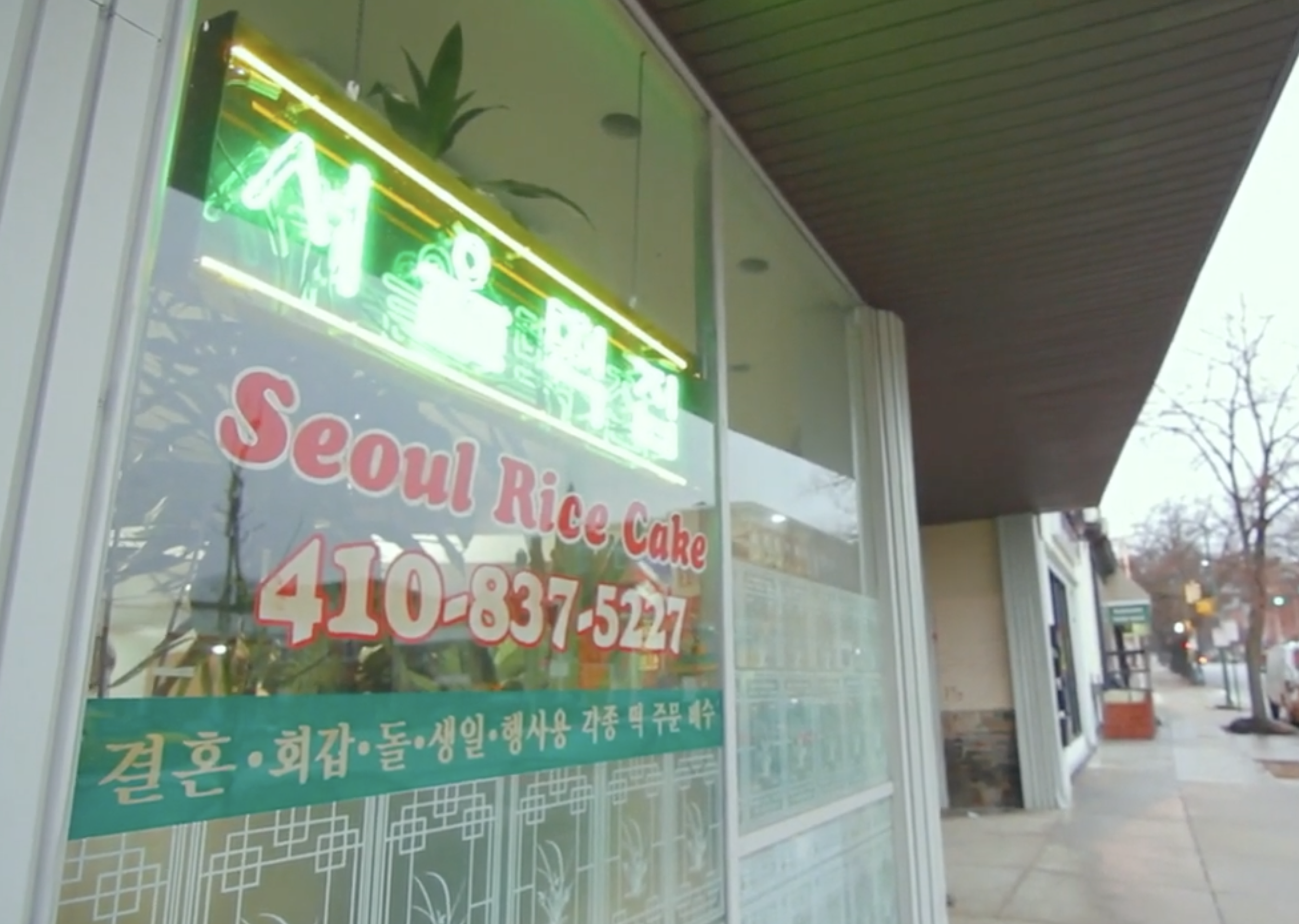
Seoul Rice Cake Shop The only shop in the DMV region that made fresh Korean-style rice cakes.
Historic Korean Senior Day Care Center where parents of local business owners would spend their days.
Hyundai Plaza A former major hub for Korean businesses and Korean community life.
Far East House The first Korean grocery store in Baltimore
볼티모어의 찰스 노스 및 스테이션 노스 예술 및 엔터테인먼트 지구로 알려진 지역에 한국인 커뮤니티가 형성되기 시작한 것은 1960년대이며, 1990년대에 전성기를 맞았습니다. 당시 이 지역에는 식당, 슈퍼마켓, 회계 사무소, 병원, 사회복지 시설 등 여러 한국인이 운영하는 사업체가 밀집해 있었습니다. 주요 장소로는 다음과 같은 곳들이 있습니다.
서울 떡집: 워싱턴 D.C., 메릴랜드, 버지니아 지역에서 유일하게 신선한 한국식 떡을 만들던 곳입니다.
역사적인 한국인 노인 주간 보호 센터: 지역 사업주들의 부모님들이 낮 시간을 보내던 곳입니다.
현대 플라자: 과거 한국 사업체와 한국인 커뮤니티 생활의 주요 중심지였습니다.
극동 하우스: 볼티모어 최초의 한국 식료품점입니다.
-
Baltimore’s once-thriving “Koreatown” has been rapidly fading from view in recent years, due to Korean owned businesses closing and accelerated redevelopment in the neighborhood. With these changes, the Korean Immigrant history of this neighborhood faces extinction.
한때 번성했던 볼티모어의 "코리아타운"은 최근 몇 년 동안 한국인 소유 사업체들이 문을 닫고 지역 재개발이 가속화되면서 빠르게 사라지고 있습니다. 이러한 변화로 인해 이 지역에 깃든 한국 이민자들의 역사가 사라질 위기에 처해 있습니다.
-
It would be the first neighborhood in Baltimore that fully recognizes the Korean immigrant community and its historical and cultural significance in Baltimore. This recognition will also positively impact Baltimore’s and outside of Baltimore’s current and future greater AAPI community to show that we are included in Baltimore’s rich cultural history.
We hope that with this preservation and achieving historic designation will become a catalyst to bring people to the neighborhood to create a thriving future. -
We want to ensure that our mission is able to honor the history of the Korean community in “Koreatown.” However, we are conscientious that the Station North, Charles North and the Greenmount West area has and always has been home to diverse community groups throughout the years. Understanding this history of this neighborhood and the complex relationships between cultural groups, has helped us determine how we can both conserve the Korean significance of Koreatown as it undergoes change, and preserve Korean immigrant histories and Baltimore’s AAPI culture without marginalizing other groups that live in this community.
Preservation
How we envision preservation
PHASE 1
Generating AwarenessCall to Action
Connecting and Gathering Support
Community
Local and State Govt
Organizing
Research
Development
Planning
PHASE 1
Generating AwarenessCreation of historic markers Achieve historic designation/recognition for Koreatown
PHASE 1
Generating AwarenessCreating accessibility through digital means. Create and establish a digital database/archive to store all the materials, videos, oral histories, and more that we gathered.
PHASE 1
Generating AwarenessPublishing a book to establish Baltimore Koreans and APIMEDA folks in the canon of Baltimore and American History.
Conservation
How we envision Conservation
arts
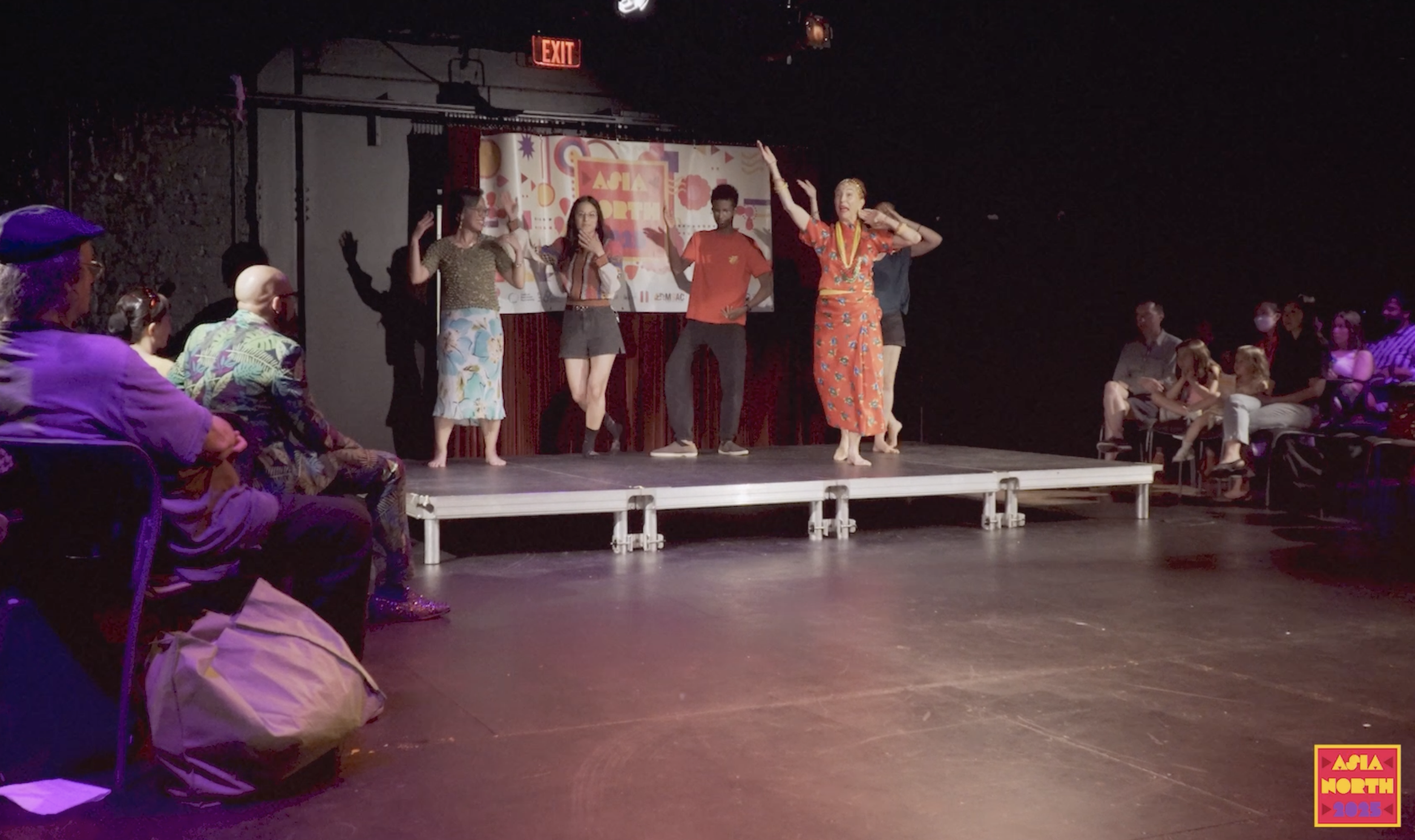
Festivals Movie screenings at Parkway Theater Art Exhibitions at local Station North Galleries Food
community building
Creation of historic markers Achieve historic designation/recognition for Koreatown
supporting local businesses
Creating accessibility through digital means. Create and establish a digital database/archive to store all the materials, videos, oral histories, and more that we gathered.
creating spaces
Publishing a book to establish Baltimore Koreans and APIMEDA folks in the canon of Baltimore and American History.